
Tracing Placenames in Your Local Glen
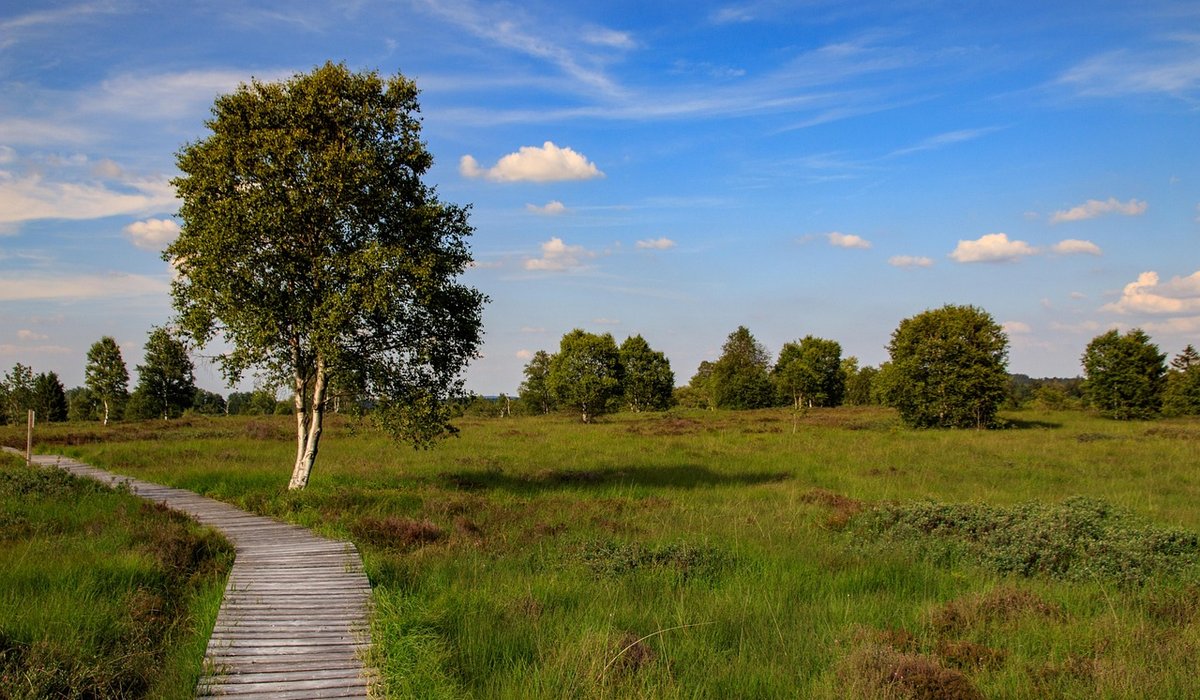
The glen you walk every week is covered in writing. Not in books, but in the names on the map, the names on the gateposts, and the names farmers use without ever thinking about them. Most are centuries old, and most still describe something you can see — a bend in the burn, a stony field, a hill shaped like a heap of grain. Learning to read them is the cheapest form of local history going.
Why the names around you are older than they look
Placenames are the most stubborn kind of history. Buildings fall, boundaries shift, and whole townships empty out, but the names stay put — often long after the language that made them has gone quiet in that glen. A name that looks like a single word is usually a small description. Allt Ruadh is simply "the red burn", named for iron-rich water running over gravel. A tòrr or cnoc name tells you where the ground rises; an achadh name tells you where it was once worth ploughing.
The practical point is that names are evidence. They record where people lived, what they grew, where they cut peat, where they hid cattle, and which routes were worth naming in the first place. You do not need to be a scholar to start reading them. You need a map, a notebook, and a willingness to look at the ground.
Three tongues, one glen
Most Scottish glens carry names from at least three languages, laid down in layers like sediment.
- Gaelic is usually the deepest and most widespread layer, especially in the Highlands and the Southern Uplands. It names landscape with extraordinary precision.
- Scots arrived later and often sits alongside Gaelic, particularly in the Lowlands, the north-east, and the farming straths. Its words tend to describe agriculture and settlement rather than wild land.
- Norse survives mainly along the coast and in the islands, but Norse speakers pushed inland too, and their words cling to hills, clefts and old farm sites.
Older traces sit beneath all three — Pictish pit- and aber-, and early church names in kil-. A single glen can hold every one of these within a few miles.
Elements worth learning by heart
A handful of elements will unlock dozens of names. Learn these and you will start spotting them on gateposts.
- Gaelic: allt (burn), beinn (mountain), cnoc (knoll), meall (rounded hill), coire (corrie), gleann (glen), loch, achadh (field), baile (farm or township), bothan (hut), ruigh (shieling ground), uamh (cave), sròn (nose or promontory), druim (ridge).
- Scots: burn, law (hill), craig, knowe (knoll), slack (hollow), cleuch (gorge), hope (small enclosed valley), haugh (flat riverside land), shiel, rig (ridge of a field), moss and muir (wet ground).
- Norse: dalr (dale), fjord, skar (cleft or scree), gill (ravine), fell, thwaite (cleared land), garth (enclosure), holm (islet or riverside meadow).
Notice how often the same idea recurs in different tongues: cnoc, knowe and holm all point to small rounded features. That repetition is a clue. Where a name switches language part-way up a glen, it often marks a change in who was farming there.
Word order and the bits that trip people up
Gaelic names normally put the descriptive noun first, so Beinn Mhòr is "big mountain", not "mountain big". The adjective that follows is often lenited — an extra h — which is why you see Mhòr rather than Mòr. Diminutives in -an or -ag mean "little", so a cnocan is a wee knoll.
Spelling is no guide to age. Names were written down by mapmakers, tax collectors and ministers who spoke different languages and wrote what they heard. A single name may appear as half a dozen versions across three centuries of estate papers. Treat the earliest form you can find as the most useful, not the most correct.
A worked example: reading one glen end to end
Take a glen with a river running west to east. At the mouth, look for Norse and Scots names — -garth, holm, haugh — marking the flattest, most workable ground. Follow the road uphill and Gaelic takes over: achadh names on the better fields, ruigh names on the higher summer pastures. Higher still, the names turn to bare description, with coire for the hollows, meall for the rounded tops and allt for every burn.
That sequence — settlement at the bottom, shieling ground above it, wild land at the top — is the shape of transhumance, the old practice of moving cattle uphill for the summer. The names remember a farming system that ended generations ago.
Setting up your own survey
Start small. Pick one glen, one parish, or even one hillside, and work through it methodically.
- Get the largest-scale map you can. A 1:25,000 sheet shows field names and minor features that smaller scales drop entirely.
- Write out every name, including the dull ones. The dull ones are frequently the oldest.
- Compare with older maps, estate plans and the earliest written forms you can find in a local archive or county place-name survey.
- Walk the ground. A name that seems meaningless on paper often makes perfect sense once you see the shape of the hill.
- Ask locally. Farmers and shepherds use names that never reached any map, and they use them for features they still work around.
- Keep a notebook with a grid reference, the name as written, the name as spoken, and your best guess at its meaning.
Do that for a season and you will have something no book can hand you: a reading of your own glen, in its own words.


Set up a rainwater collection system for the garden using gutters, barrels, and simple filters to reduce mains water use.
Learn how to plan a gentle hill route, check weather, pack essentials, and stay safe on Scotland's unpredictable glen paths.
Identify common woodland and moorland birds by song, silhouette, and habitat, with simple tips for quiet observation throughout the year.
Choose hardy herbs such as thyme, mint, and chives that thrive in exposed Scottish gardens and provide fresh flavour for home cooking.