
Planning a Safe First Hill Walk in the Glens
Start with a Route That Matches Your Experience
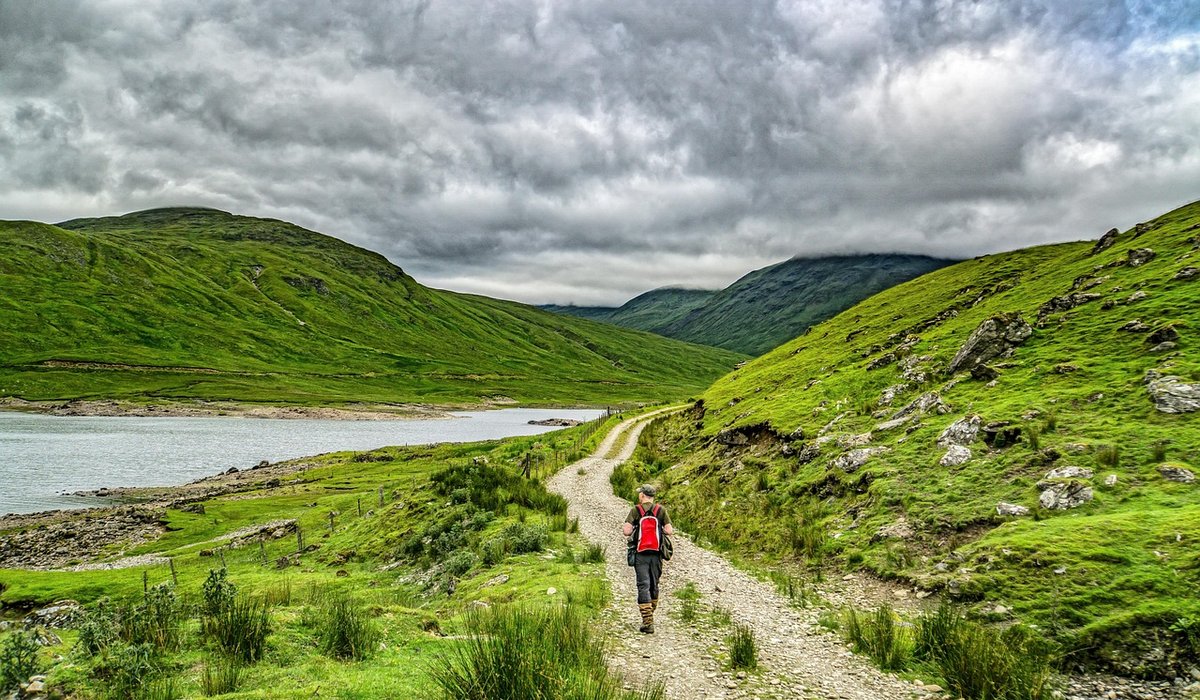
Your first hill walk in a Scottish glen should leave you grinning, not gasping. Choose a low-level glen path or a small hill with a clear track. Aim for 6–10 kilometres with less than 300 metres of ascent. You want time to enjoy the views, not just survive the climb.
- Distance: under 10 km on rough ground – glen paths are slower than they look on the map.
- Ascent: 200–300 metres gives a taste of height without committing to a full Munro.
- Terrain: prefer waymarked trails or estate tracks. Avoid pathless bogs and steep scree for now.
Guidebooks and local ranger services can point you to signed routes, but cross-check with a detailed map. A paper map at 1:25,000 or 1:50,000 scale shows fences, burns and faint paths that phones miss. If a route description says "navigation skills required", save it for later.
Read the Weather – and the Glens – Before You Go
Scottish glen weather is famously unpredictable. A sunny morning in the car park can turn into horizontal rain and biting wind within an hour. Check a dedicated mountain weather forecast the evening before and again on the morning of your walk. Look at wind speed, cloud base, rain and temperature.
- Wind: above 40 mph on exposed ground, turn back or choose a lower, sheltered route.
- Cloud: if the cloud base is below the tops, visibility drops fast. Stay low without navigation skills.
- Rain: heavy rain makes burns rise quickly. A small stream can become impassable in minutes.
Check daylight hours too. In winter, the glens can be dark by 3.30 pm, so start early and carry a torch even on a short walk. Midges are a rural reality from May to September – a head net and repellent are worth their weight.
Pack the Essentials – Even for a Short Glen Walk
Phone signal in the glens is patchy at best, often non-existent. You need to be self-sufficient. A rucksack with these items will keep you comfortable and safe.
- Waterproof jacket and trousers – Scottish rain can soak you in minutes.
- Spare warm layer – fleece or synthetic jacket, plus hat and gloves. Hill wind chills even in July.
- Map and compass – paper map and a compass you know how to use. A phone is a backup, not a primary tool.
- Whistle, torch and spare batteries – a whistle carries further than a shout. Six blasts is the distress signal.
- Food and water – more than you think you need. Oatcakes, chocolate, a flask of soup.
- Emergency shelter – a group shelter or large heavy-duty plastic bag can save your life if you must wait for help.
- Fully charged mobile phone – in a waterproof case, plus a power bank. Keep it warm and off until needed.
- First aid kit – including blister plasters and personal medication.
Dress in layers, avoiding cotton next to your skin. Wool or synthetic base layers wick sweat and dry quickly. Wear sturdy walking boots with good ankle support – glen paths are often rocky, rooty and boggy.
Navigation and Staying Found
Before you leave, tell someone your exact route and expected return time. Give them a copy of the map with your plan marked, and agree a time to raise the alarm if you are not back. This is the single most important safety step you can take.
On the move, keep track of your position every ten minutes. Use handrails – a stream, a fence line, a ridge – to guide you. If the path fades, stop, check the map and compass, and retrace your steps rather than pressing on blindly. If you do get lost, stop, shelter from the wind, and use your whistle. Six blasts, pause, repeat. Do not keep walking in poor visibility unless you are certain of your ground.
Pace, Footing and Respect for the Land
On rough glen ground, a realistic pace is 2–3 kilometres per hour, less uphill. Start slowly, take short steps on steep sections, and use walking poles if you have them. River crossings need care: unbuckle your rucksack waist belt, face upstream, and use a pole or stick for balance. If a burn is high, turn back – no view is worth a soaking or a broken ankle.
The glens are working landscapes. Leave gates as you find them, keep dogs under close control, and take all litter home. During the stalking season, some estates ask walkers to avoid certain routes – check for signs at car parks or ask locally. By respecting rural life, you help keep access open for everyone.
If Something Goes Wrong
If you need help, call 999 and ask for the police, then mountain rescue. Give your location using a grid reference from your map, or a clear description of features around you. Stay put if you are injured or lost – you are easier to find than a moving target. Shelter, eat, drink, and keep warm.
Finally, remember that turning back is a success, not a failure. The glens will still be there next weekend. With a sensible route, a good forecast, the right kit and a plan shared with someone at home, your first hill walk can be the start of a lifelong love for Scotland's rural places.


Choose hardy herbs such as thyme, mint, and chives that thrive in exposed Scottish gardens and provide fresh flavour for home cooking.
Make simple traditional oatcakes with oats, butter, and a pinch of salt, perfect for serving with cheese or jam.
Begin a small knitting project using locally spun wool, simple stitches, and clear guidance for warm, practical accessories.
Discover how old drovers' roads shaped travel, trade, and settlement across the Highlands, and where to see surviving routes today.