
Observing the Changing Light Through the Seasons
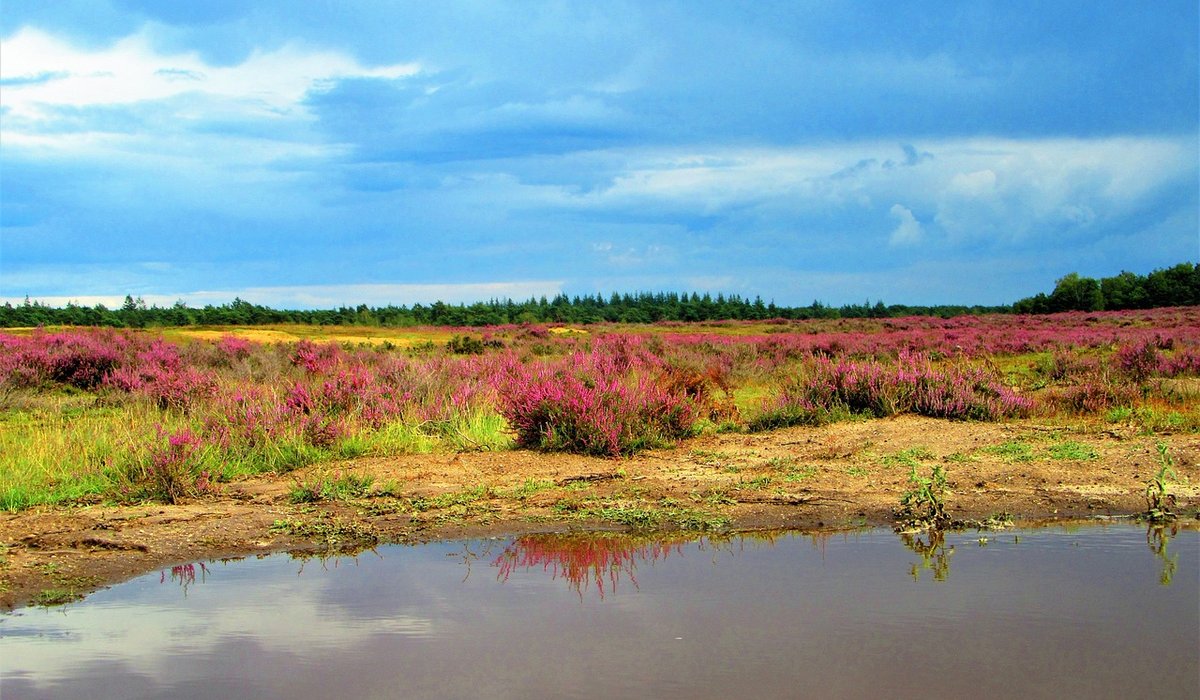
In a Scottish glen, light is never just a background. It arrives at an angle, works its way across a hillside for a few hours, and then leaves. Because we sit so far north, the sun never climbs especially high, even at midsummer, and that low trajectory gives everything a sideways quality: long shadows, bright edges along ridges, and colours that change minute by minute. Learning to watch that shift through the year is one of the simplest and most grounding habits a rural life offers.
Why the Glen's Light Is Different
A glen is a shaped place. Steep sides, a burn running through the floor, and a mix of birch, rowan, heather and rough grazing all catch the sun differently. The same hillside can look silver at eight in the morning and almost bronze by four in the afternoon, simply because the light is striking it from a different direction.
Add our northern latitude and the effect intensifies. In the Highlands, the sun's arc is shallow, which means shadows stretch far across the valley floor even in June. Cloud moves quickly here too, so a day is rarely one kind of light from dawn to dusk. You might get flat grey, then a sudden break of hard sun, then soft diffused brightness, all within an hour.
Winter: A Short, Low Sun
Around the winter solstice, daylight in a central Highland glen can run from roughly half past eight in the morning to not long after half past three. That is a short window, and it makes you pay attention. The sun barely clears the tops, so the glen floor may stay in blue shadow all day while the upper slopes glow.
Winter light is also remarkably clean. With low humidity and often a dusting of snow on the high corries, colours turn cool and precise — slate greys, deep greens, the dark red of bare rowan twigs. On clear afternoons, look for the alpenglow: a band of warm pink light that sits on the tops for a few minutes after the valley has gone dim. It is worth standing still for.
Spring: The Light Returns
The change through March and April is fast enough to notice week by week. Each evening adds several minutes of daylight, and by late April you can be out on the hill well past nine o'clock. The returning sun brings a softer, more diffuse quality, partly because there is more moisture in the air.
Watch for the contrast between lingering snow patches in north-facing hollows and the first flush of new birch leaves. Those pale greens against white snow, lit by a low spring sun, are some of the brightest colours the glen produces all year. Morning mist in the valley is common now, burning off by mid-morning and leaving a rinsed, clear light behind.
Summer: The Simmer Dim
Midsummer in the north is the season of the simmer dim — that long, lingering twilight where the sky never quite goes dark. Sunset may be after ten, and a soft, silvery glow stays in the north until dawn returns around four. If you wake in the small hours, the glen is often at its most still and luminous.
Daytime light in summer is high and bright, which flattens some colours but lifts others: the purple of heather in bud, the amber of bog cotton, the bright green of bracken before it turns. On still evenings, midges gather, so many people do their observing from a doorway, a bothy window, or a breezy ridge where the air keeps moving.
Autumn: Gold, Mist, and Low Angles
By September the sun is dropping again, and the light turns warm and directional. Bracken goes rust and copper, birch turns lemon-yellow, and the low afternoon sun lights the glen sides from the side rather than above. This is the season of long shadows and strong texture.
Autumn also brings mist. On calm mornings, cold air pools on the valley floor and the tops stand clear above a white sea. That combination of bright upper slopes and hidden glen floor is a gift for anyone watching light. Late October storms can strip the leaves in a single night, so enjoy the colour while it lasts.
Keeping a Simple Light Notebook
You do not need special equipment to deepen this habit. A small notebook, or a few lines typed into a phone, is enough. Choose one fixed viewpoint — a gate, a bridge, a bend in the track — and return to it regularly. Over a year, you will build a record that no photograph quite matches.
- Time and date: note the hour, and how far the light has travelled since your last visit.
- Direction: where is the sun, and which slopes or trees are lit?
- Weather: clear, overcast, broken cloud, rain, mist, snow lying.
- Colour: what stands out — the grey of a loch, the gold of bracken, the blue of shadow on snow?
- Feel: wind direction, temperature, whether the air is sharp or soft.
- One detail: a single thing you would not have noticed last month.
Do this for a full year and something shifts. You start to read the sky before you look at a forecast, and to know which side of the glen will be lit at five o'clock in November. The landscape stops being a view and becomes a place you are in step with.


Learn how to plan a gentle hill route, check weather, pack essentials, and stay safe on Scotland's unpredictable glen paths.
Identify common woodland and moorland birds by song, silhouette, and habitat, with simple tips for quiet observation throughout the year.
Choose hardy herbs such as thyme, mint, and chives that thrive in exposed Scottish gardens and provide fresh flavour for home cooking.
Make simple traditional oatcakes with oats, butter, and a pinch of salt, perfect for serving with cheese or jam.