
Choosing Footwear for Wet and Rocky Paths
Reading the Ground Before You Choose
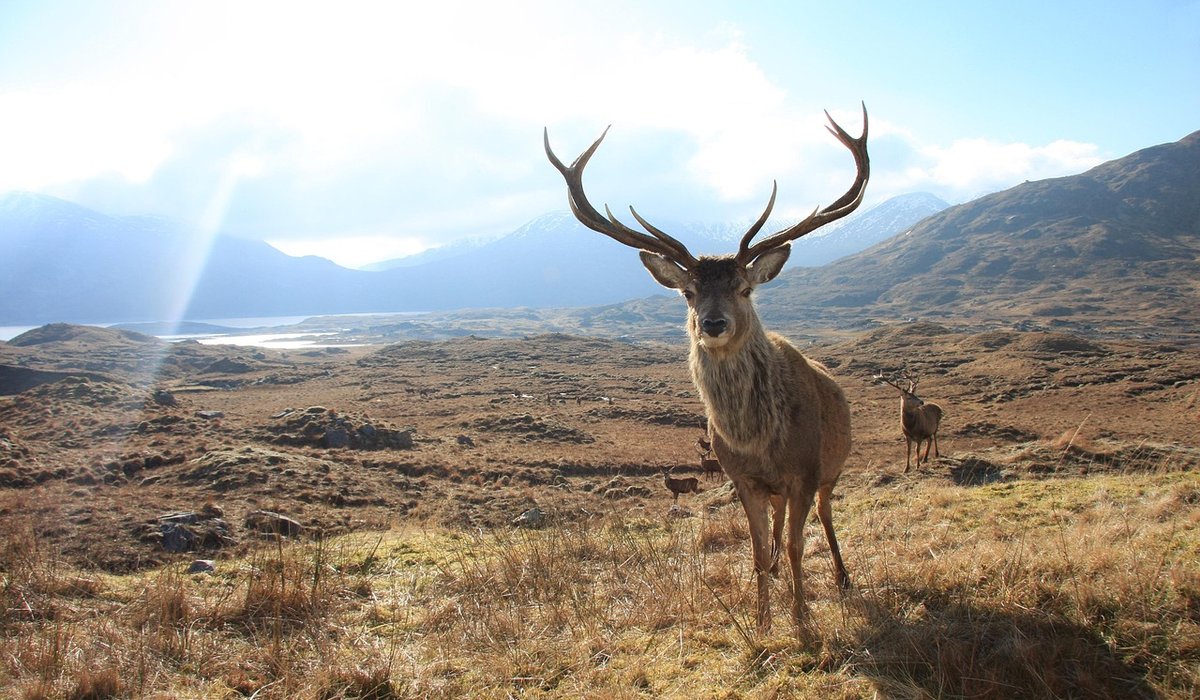
A Scottish glen rarely offers you one tidy surface. In a single afternoon you might cross a boggy peat flat matted with deer grass, clamber over wet granite slabs slicked by a burn in spate, pick your way down loose quartzite scree, and finish on an estate track of compacted gravel and standing water. Each of those wants something slightly different underfoot. Choosing footwear is really the art of the compromise, and it begins with being honest about where you actually walk rather than where you like to imagine you walk.
For most glen walking — hill paths, estate tracks, stalkers' paths that fade into heather — you want a boot that is waterproof, has a reasonably stiff sole with deep lugs, and gives enough ankle support to forgive a tired misstep on a wet descent. Trainers will happily do a low-level circuit in a dry July. They will not do a November walk out to a bothy with a pack on.
What Actually Matters in a Boot
Waterproofing is the first thing people ask about, but it is only useful alongside everything else. A waterproof boot that fits badly will still shred your heels, and a well-fitting boot with a slick sole will still put you on your backside on a wet slab.
- Waterproof and breathable lining — keeps the worst of the bog out while letting some vapour escape. No lining is truly breathable when soaked, so think of it as a delay, not a barrier.
- Gusseted tongue — a bellows tongue stops water and grit coming in over the top of the foot when you splash through a puddle or a shallow burn.
- Sole compound and lugs — look for lugs around four to five millimetres deep with a defined heel brake. Softer rubber grips wet rock better but wears faster on gravel; harder rubber lasts on stony tracks but can skate on greasy slabs.
- Midsole stiffness — enough support to carry a pack over broken ground and to edge on rock, without feeling like a plank on the walk-in.
- Toe rand and heel counter — a rubber rand protects against scree and rock, and a firm heel counter holds the foot steady on descents.
- Fit — the single most important factor, and the one most often sacrificed.
Try boots on late in the day when your feet have swollen, wearing the socks you intend to walk in. You want roughly a thumb's width in front of your longest toe, a heel that stays put when you kick a step, and no pressure across the widest part of the foot. If you have wide feet, look for a wider last rather than simply sizing up.
Socks, Liners and the Wet Foot Problem
Socks do more work than most people give them credit for. Merino wool remains the best all-rounder: warm when wet, slow to smell, and kind to skin. A thin liner sock beneath a cushioned outer sock reduces friction and blisters on long days. Cotton is the one to avoid entirely — it holds water against the skin and turns cold the moment you stop.
Carry a spare pair in a dry bag. Changing socks at lunch, even into damp ones, resets your feet. For burns too deep to hop, accept that you will get wet: loosen laces, unbuckle the rucksack, use a pole for balance, and cross at a wide shallow braid rather than a narrow chute. Some walkers carry lightweight shoes for crossings. Others simply plan for wet feet and change at the far side.
Lacing Is a Skill Worth Learning
Most boots are laced once and never adjusted, which is a waste. Lace tighter over the midfoot for descents so the foot cannot slide forward and jam your toes. Loosen slightly on long ascents to let the foot spread. If your heel lifts, try a heel-lock lacing pattern around the top two hooks, or skip an eyelet pair over a high instep. Finish with a double knot and tuck the ends in — heather has an appetite for loose laces.
Looking After Boots So They Look After You
- Rinse mud off while it is still wet; dried peat and grit abrade stitching and leather.
- Air dry at room temperature, stuffed with newspaper. Never on a radiator, never in a tumble drier, never by a stove — heat cracks leather and delaminates soles.
- Reproof regularly. Wax or conditioner for full-grain leather; spray-on treatment for fabric and suede. Clean first, or you will seal the dirt in.
- Check the lugs and the rand each season. Once you are through the rubber to the midsole, it is time to resole or replace.
- Store loosely laced and upright, not squashed in a bag, so the boot keeps its shape.
Getting It Right Before You Set Off
Buy boots from a shop that will let you walk about indoors and return them if the fit is wrong, and break them in on short low-level walks before committing to a long glen day. Take the socks you will use. Test them on a slope in the shop if you can. Then, when the cloud is down on the tops and the path is running like a stream, you will be thinking about the view rather than your feet — which is exactly how it should be.


Grow kale and leeks for winter harvests, using raised beds, cloches, and careful spacing to cope with short daylight hours.
Cook a warming barley and vegetable broth with root vegetables, herbs, and stock for a nourishing meal on cold days.
Repair worn wool blankets by darning holes, reinforcing edges, and washing gently to extend their life for many seasons.
Trace local placenames to uncover Gaelic, Scots, and Norse influences that reveal the history of your surrounding glen.