
Slots, Poker, and the Math That Keeps You Coming Back
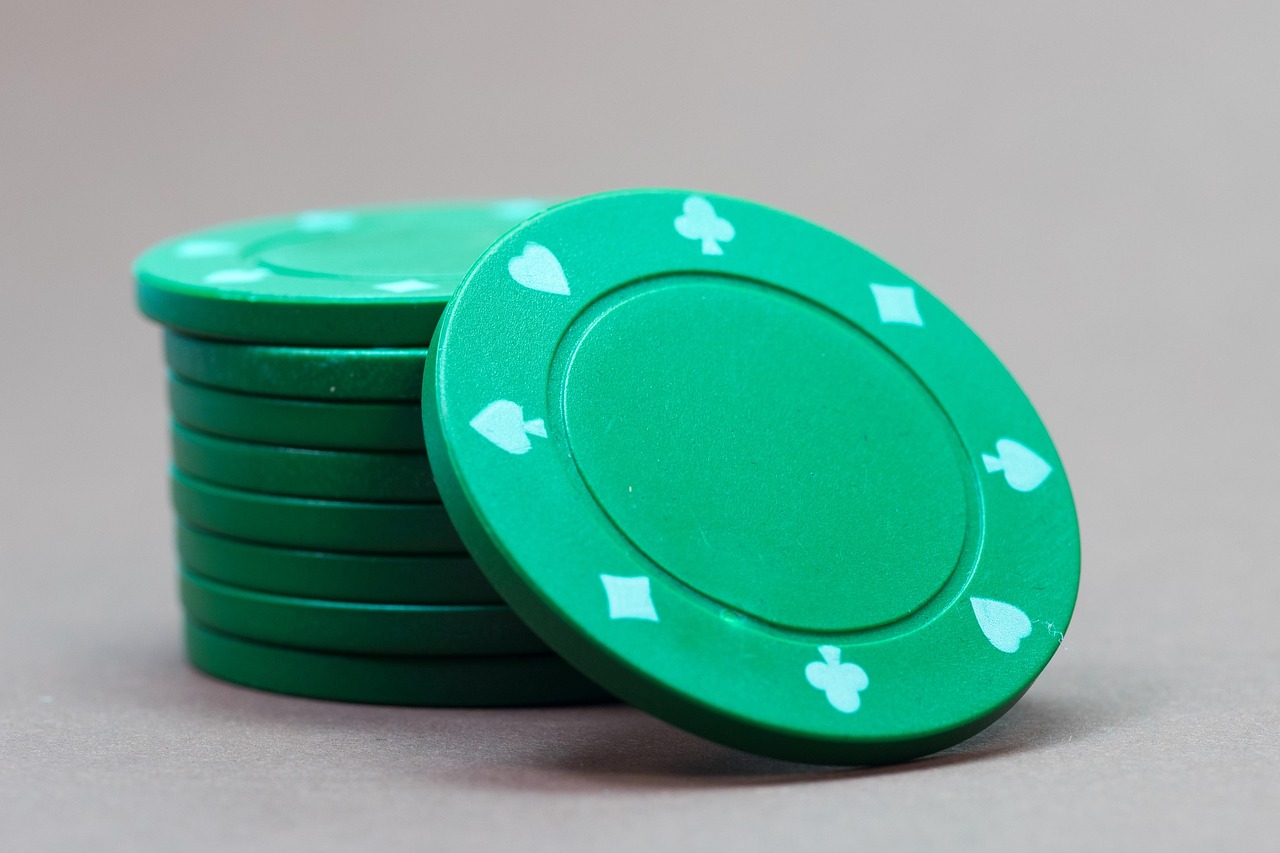
Every gambler remembers their first near-miss. You're spinning a slot, two scatters land, the third one wobbles right past the payline, and suddenly your heart is doing something your brain didn't authorize. That jolt isn't luck. It's design. And once you understand why that moment hits so hard, the entire iGaming floor starts looking different.
This isn't a scolding. Nobody needs another lecture about quitting while ahead. What follows is a working tour of how the machinery actually functions, how the math favors the house, and where a sharp player can still find an edge. Treat it like studying the table before you sit down.
Return to Player Is a Long Game, Not a Promise
The number every regulator makes operators publish is RTP, or return to player. A slot listed at 96% RTP pays back, on average, 96 cents for every dollar wagered over millions of spins. Two things trip people up about that.
First, it's an average over an enormous sample. Your 500-spin session might land at 40% or 180% and still be perfectly normal. Second, 96% sounds generous until you flip it. The house keeps 4% of everything that flows through the machine, and that 4% compounds brutally against a player who keeps re-spinning.
Where RTP gets genuinely sneaky is in the fine print. The same game title can ship with different configurations depending on the jurisdiction or the operator's deal with the studio. A slot that's 96.5% on one casino might be 94% on another, with identical graphics and branding.
- Check the paytable or help screen for the stated RTP before you deposit.
- Be skeptical of slots offering multiple RTP versions — the operator picks which one you get.
- Table games generally beat slots on RTP: blackjack with decent rules sits around 99.5% with perfect play.
- Progressive jackpots sacrifice base-game RTP to fund the prize pool, so they're a lottery ticket dressed as a slot.
Volatility Decides What Kind of Session You'll Have
RTP tells you the average. Volatility tells you the shape of the ride. A high-volatility slot like Money Train or many of the Big Time Gaming releases can swallow hundreds of spins before releasing a monster bonus. Low-volatility games dribble out small wins constantly.
Picking the wrong volatility for your bankroll is the single most common self-inflicted wound in casino play. If you bring $100 and sit on a brutal high-volatility game, your session is measured in minutes, not hours. Same hundred on a low-volatility slot buys you a long, slow bleed with frequent small dopamine hits.
There's no objectively better choice here. There's only the choice that matches your patience and your stack. Before making a choice, it helps to review saowin.za.com.
Why RNGs Make Slots Fair and Still Beat You
Modern slots run on random number generators, audited by labs like eCOGRA and GLI. The reels are not "due," and the machine is not cooling down. Each spin is mathematically independent. So how does a fair machine take your money?
Through volume and weighting. The RNG produces a number, and that number maps to a reel position through a lookup table. Winning combinations are weighted to appear less often than losing ones. Nothing is rigged in the illegal sense — the math is just tilted by construction.
That's why streak-chasing fails. After 20 losses, your odds on spin 21 are identical to spin one. The machine owes you nothing, and it never will.
Poker Is the One Game Where You Can Win Long-Term
Here's the uncomfortable truth for casino fans: poker is the only mainstream game in the iGaming ecosystem where a skilled player can extract money from other players rather than fighting the house's edge. You're not beating the rake, exactly. You're beating the opponents enough to cover the rake.
The rake — typically 5% capped around $3 in cash games — is the toll you pay for access to the table. Grinders survive it by choosing games with weak opposition. The logic of game selection beats the logic of card selection in the modern poker world.
A few principles that separate winning players from break-even ones:
- Track the table's average pot size and aggression before sitting down.
- Play fewer hands than you want to. Tight-aggressive remains the baseline for a reason.
- Study solvers and equity calculations, not highlight reels.
- Bankroll-manage strictly — 20 buy-ins minimum for cash, more for tournaments.
- Move down in stakes the moment you start doubting your edge.
Poker rooms are also where the affiliate and bonus economies have shifted hardest. Respected sites now publicize rake-back structures and return percentages transparently, which means the gap between a well-chosen room and a poor one can be several big blinds per hundred hands.
Betting Markets: Efficiency Kills the Casual Punter
Sports betting looks like an easy way to monetize your knowledge of football. It rarely is, because major markets are ruthlessly efficient. The closing line on a Premier League match or an NFL game is one of the best predictive instruments humanity has produced.
Operating a sportsbook in the modern iGaming landscape is a profit-maximizing business, not a service. Limits get cut, accounts get restricted, and odds get adjusted before you can blink when sharp money shows up. If you want a fighting chance, target niches:
- Lower-league football and obscure sports where books have soft numbers.
- Prop markets and player-specific bets, where models are still imperfect.
- Live betting moments where the algorithms lag a few seconds behind reality.
- Promotional boosts and offers that a disciplined sharpshooter can small-arb against.
For everyone else, the smart play is recreational, capped, and detached from your sense of self-worth.
Bonuses, Wagering, and the Fine Print That Costs You
Welcome bonuses look free and almost never are. A $200 match bonus with 40x wagering demands $8,000 in real bets before a dollar becomes withdrawable, and often slots contribute 100% while table games contribute 10%. Do the arithmetic before claiming anything.
Also watch for max bet rules — violate one during bonus play and your winnings can vanish on review. Read the terms. It sounds boring; it saves money.
The Responsible Play Nobody Wants to Talk About
The elephant on the iGaming floor is that these games are engineered to be compelling. That's not a conspiracy, it's a product spec. Flashing lights, near-misses, variable reward schedules — the same behavioral levers used in slot design appear in addiction research for a reason.
The realistic countermeasures are unglamorous. Set a deposit limit before you play, not after. Track sessions with a timer. Never gamble with money earmarked for something else. Take breaks that last days, not minutes.
None of this is about willpower. It's about structures that protect you from the version of yourself that felt the near-miss hit and wanted just one more spin.
The house edge in iGaming is real, mathematically proven, and effectively unchangeable on most games. But knowledge changes what that edge costs you. A punter who understands RTP, volatility, rake, and the difference between randomness and fairness stops playing blind. That awareness won't make you a professional, but it will keep the experience on your side of the ledger — which, when you're sitting across from an industry that spends millions studying your behavior, is a meaningful win on its own.


Choose hardy herbs such as thyme, mint, and chives that thrive in exposed Scottish gardens and provide fresh flavour for home cooking.
Make simple traditional oatcakes with oats, butter, and a pinch of salt, perfect for serving with cheese or jam.
Begin a small knitting project using locally spun wool, simple stitches, and clear guidance for warm, practical accessories.
Discover how old drovers' roads shaped travel, trade, and settlement across the Highlands, and where to see surviving routes today.